Articles
The Dragon Bar Years
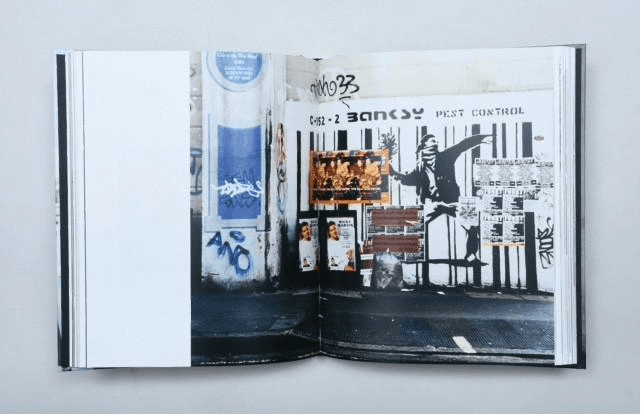
The Shoreditch bar that became the unofficial headquarters of London's street art scene in the early 2000s.
Before street art was a category that auction houses cared about, there was a small bar in Shoreditch.
The Place
The Dragon Bar was on a side street near Old Street roundabout in east London. It was run by a man named Justin Piggott. The model was a Lower East Side dive bar - skateboards, graffiti, cheap drinks.
The bar had a license until 11pm. It stayed open until 3am. There was a car park out back where they threw parties.
Steve Lazarides: "It was this lawless weird zone. A free-wheeling kind of madness where everybody knew each other."
Why There
Shoreditch in the early 2000s was cheap. Tower Hamlets and Hackney were the poorest boroughs in London. Artists moved there because rent was low. You could do things in the street and they wouldn't get cleaned off immediately.
The Dragon became a meeting point. A place to plan, to cut stencils, to make posters, to drink until you were confident enough to go out and paint.
Who Was There
The bar attracted street artists from around the world:
Invader - The French artist who placed tile mosaics in cities globally
Shepard Fairey - Later known for the Obama Hope poster
Faile - Brooklyn-based collective
Bast - New York wheat-paste artist
Ben Eine - London letter painter
Plus local artists, musicians, and the general Shoreditch crowd of the era.
These weren't famous names at the time. They were people making work, largely ignored by the mainstream art world, congregating in a bar because that's where other people who did similar things happened to be.
What Happened There
The upstairs room of the Dragon Bar became a workspace. Steve and others would cut stencils and prepare posters during the evening.
"We'd go there, we'd cut stencils, make posters. And then, two o'clock in the morning, when we were pissed enough, go out and jump over railway bridges and paint stuff."
Santa's Ghetto, the annual street art sale, started upstairs at the Dragon. Early prints sold for £50. A friend dressed as a drunk Santa sat in the corner.
The Economics
Nobody expected to make money. The art world wasn't interested. Collectors weren't buying. The work existed because people wanted to make it, not because there was a market.
Steve: "It was a really interesting, fun time that was nothing to do with finance or how much things cost. These guys were just doing it for shits and giggles."
The prices at Santa's Ghetto reflected this. Girl with Balloon canvases were £250. Multiple editions of 25, painted in the upstairs room, numbered as they dried, taken downstairs and sold the same evening.
What Changed
The Dragon Bar era ended as Shoreditch changed. Rents increased. The art form got attention. Prices rose. Collectors appeared.
Steve has been honest about this shift: "Ultimately, it's been the thing that's destroying the scene, because people are just looking at it as a cash cow."
Why This Matters
The Dragon Bar period is documented in Steve's photographs. The shows, the people, the atmosphere of a scene that didn't know it was about to become valuable.
When people talk about street art's "early days" in London, they're usually talking about this. A few square miles of east London. A handful of venues. A community small enough that everyone knew each other.
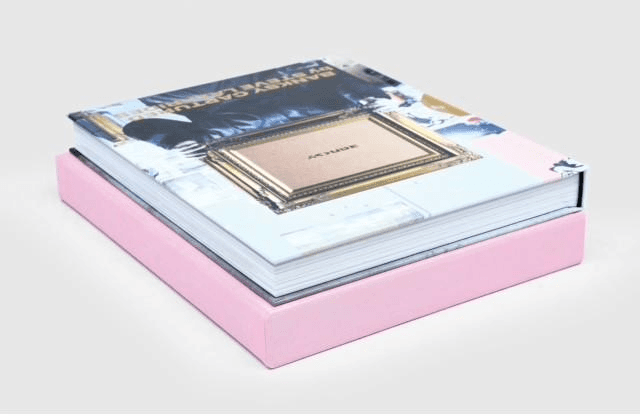
The books capture some of this. Not comprehensively - Steve wasn't documenting the Dragon Bar specifically - but as background to the work he was photographing.
Articles
The Dragon Bar Years
The Shoreditch bar that became the unofficial headquarters of London's street art scene in the early 2000s.
Before street art was a category that auction houses cared about, there was a small bar in Shoreditch.
The Place
The Dragon Bar was on a side street near Old Street roundabout in east London. It was run by a man named Justin Piggott. The model was a Lower East Side dive bar - skateboards, graffiti, cheap drinks.
The bar had a license until 11pm. It stayed open until 3am. There was a car park out back where they threw parties.
Steve Lazarides: "It was this lawless weird zone. A free-wheeling kind of madness where everybody knew each other."
Why There
Shoreditch in the early 2000s was cheap. Tower Hamlets and Hackney were the poorest boroughs in London. Artists moved there because rent was low. You could do things in the street and they wouldn't get cleaned off immediately.
The Dragon became a meeting point. A place to plan, to cut stencils, to make posters, to drink until you were confident enough to go out and paint.
Who Was There
The bar attracted street artists from around the world:
Invader - The French artist who placed tile mosaics in cities globally
Shepard Fairey - Later known for the Obama Hope poster
Faile - Brooklyn-based collective
Bast - New York wheat-paste artist
Ben Eine - London letter painter
Plus local artists, musicians, and the general Shoreditch crowd of the era.
These weren't famous names at the time. They were people making work, largely ignored by the mainstream art world, congregating in a bar because that's where other people who did similar things happened to be.
What Happened There
The upstairs room of the Dragon Bar became a workspace. Steve and others would cut stencils and prepare posters during the evening.
"We'd go there, we'd cut stencils, make posters. And then, two o'clock in the morning, when we were pissed enough, go out and jump over railway bridges and paint stuff."
Santa's Ghetto, the annual street art sale, started upstairs at the Dragon. Early prints sold for £50. A friend dressed as a drunk Santa sat in the corner.
The Economics
Nobody expected to make money. The art world wasn't interested. Collectors weren't buying. The work existed because people wanted to make it, not because there was a market.
Steve: "It was a really interesting, fun time that was nothing to do with finance or how much things cost. These guys were just doing it for shits and giggles."
The prices at Santa's Ghetto reflected this. Girl with Balloon canvases were £250. Multiple editions of 25, painted in the upstairs room, numbered as they dried, taken downstairs and sold the same evening.
What Changed
The Dragon Bar era ended as Shoreditch changed. Rents increased. The art form got attention. Prices rose. Collectors appeared.
Steve has been honest about this shift: "Ultimately, it's been the thing that's destroying the scene, because people are just looking at it as a cash cow."
Why This Matters
The Dragon Bar period is documented in Steve's photographs. The shows, the people, the atmosphere of a scene that didn't know it was about to become valuable.
When people talk about street art's "early days" in London, they're usually talking about this. A few square miles of east London. A handful of venues. A community small enough that everyone knew each other.
The books capture some of this. Not comprehensively - Steve wasn't documenting the Dragon Bar specifically - but as background to the work he was photographing.