Articles
Who Is Steve Lazarides
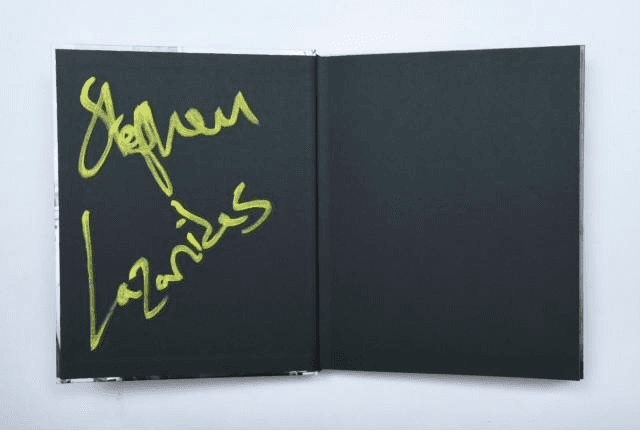
Steve Lazarides photographed the Bristol and London street art scene from 1997-2008. Here's what he actually did.
Steve Lazarides is a photographer from Bristol.
Between 1997 and 2008, he documented the street art scene in Bristol and London. He took photographs. He helped organise shows. He sold prints. Then he moved on.
That's the short version. Here's more context.
Bristol Background
Bristol in the 1980s and 1990s was a particular kind of place. Post-industrial. Multicultural. Cheap rent. The kind of city where subcultures could develop without much interference.
The music scene produced Massive Attack, Portishead, Tricky. The graffiti scene developed around John Nation's youth club in Barton Hill and later spread across the city.
Steve was photographing these subcultures. Rave culture. Sound systems. Graffiti. He had a camera and an interest in documenting what was happening in his city.
What He Actually Did
From 1997 to 2008, Steve had three overlapping roles:
Photographer. He documented street pieces, shows, events, and behind-the-scenes moments. The archive runs to tens of thousands of images.
Agent. He helped sell work, initially out of necessity. Artists needed to eat. There was demand. He figured out pricing as he went along.
Organiser. He put on shows in unusual spaces. Squats. Warehouses. A tunnel under Waterloo station. The back room of a Shoreditch bar.
The Shows
Some of the events Steve helped organise:
Santa's Ghetto (2002) - Started upstairs at the Dragon Bar in Shoreditch. Prints sold for £50. A drunk friend dressed as Santa sat in the corner.
Turf War (2003) - A squat on Kingston Road. Painted animals. An animal rights protestor chained herself to the scaffolding. They left her there because it looked good.
Barely Legal (2006) - A warehouse in downtown Los Angeles. Steve made studio executives queue outside. The only person who got to skip the line was Dennis Hopper, because Steve recognised him.
Cans Festival (2008) - A tunnel under Waterloo Station. Over 40 artists. An estimated 30,000 visitors over a bank holiday weekend.
Pictures on Walls
In the early 2000s, Steve co-founded Pictures on Walls, a print house that brought together street artists and made their work affordable.
The idea came from American gig posters. Bands like Nirvana and Beastie Boys would commission artists to design tour posters, sold cheaply at shows. Steve wanted to do something similar for street art.
Print runs were large by art world standards - 600, 750 copies. Prices started low. Girl with Balloon canvases sold for £250. The whole point was accessibility.
Moving On
Steve stopped working with Banksy in 2008. He's been candid about why:
"It's been the thing that's destroying the scene. People are just looking at it as a cash cow. All the artists I ever worked with, none of them went into it for money."
He went on to open his own galleries and work with other artists. The photographs from 1997-2008 remained in his archive.
The Books
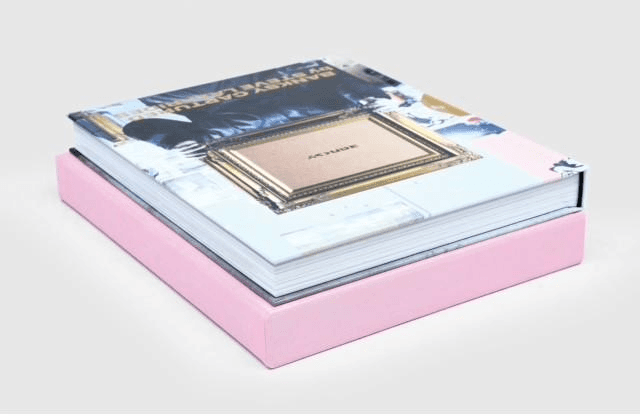
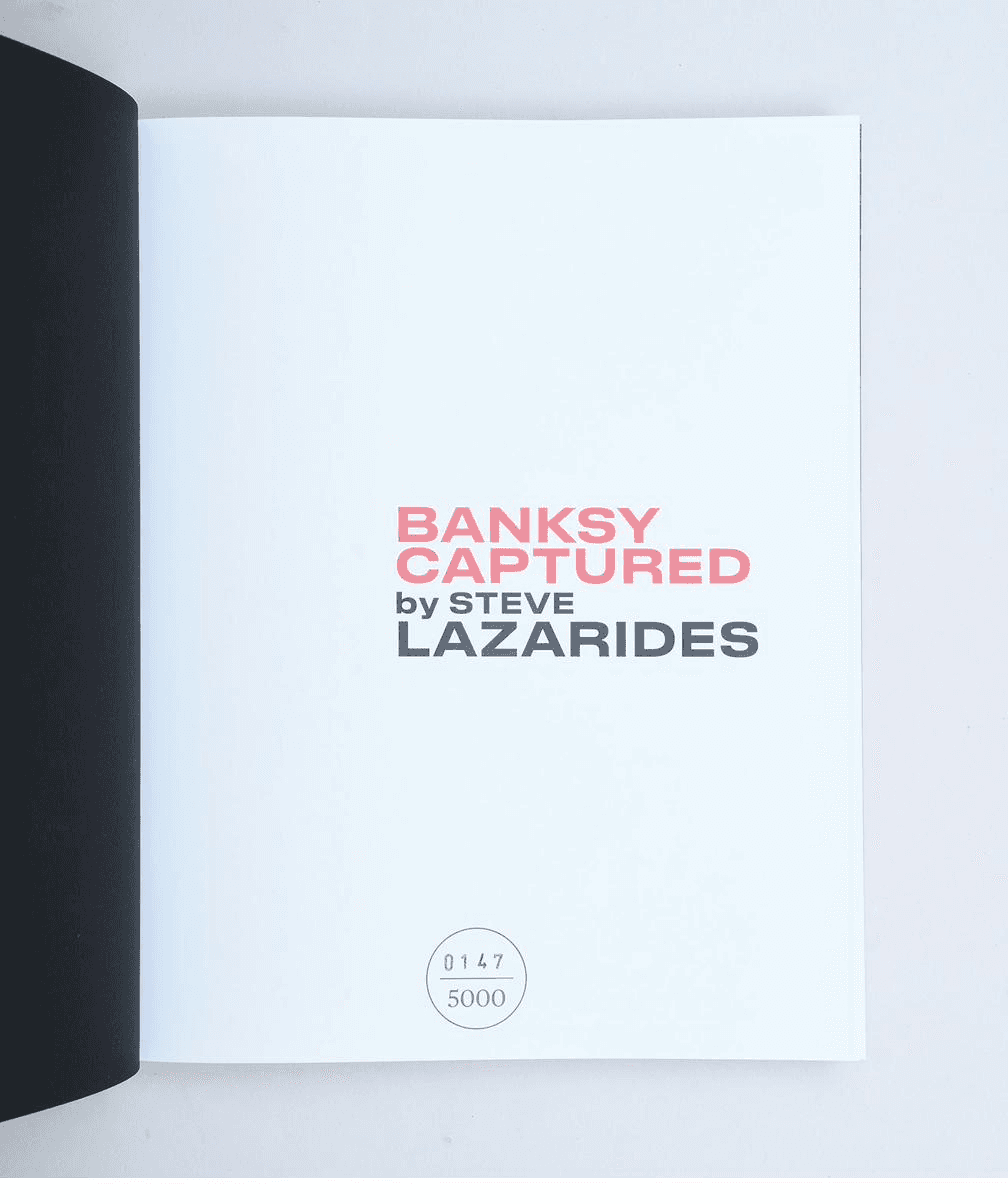
In 2019, Steve published Banksy Captured Volume One. Volume Two followed. Both are self-published.
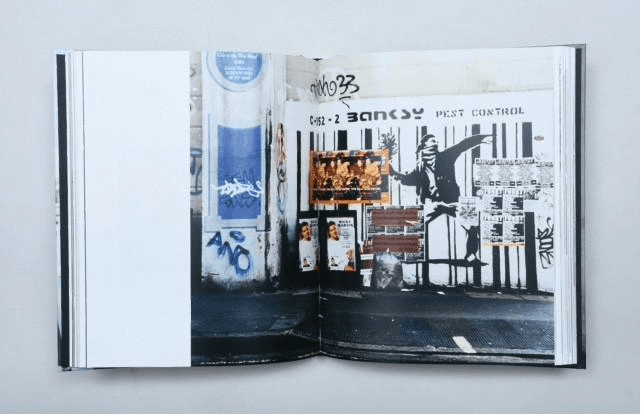
The books contain photographs from that eleven-year period. Early street pieces. Show documentation. Behind-the-scenes shots. The visual record of what Steve saw through his camera.
That's what we sell. Steve's documentation of a specific period. Nothing more complicated than that.
Articles
Who Is Steve Lazarides
Steve Lazarides photographed the Bristol and London street art scene from 1997-2008. Here's what he actually did.
Steve Lazarides is a photographer from Bristol.
Between 1997 and 2008, he documented the street art scene in Bristol and London. He took photographs. He helped organise shows. He sold prints. Then he moved on.
That's the short version. Here's more context.
Bristol Background
Bristol in the 1980s and 1990s was a particular kind of place. Post-industrial. Multicultural. Cheap rent. The kind of city where subcultures could develop without much interference.
The music scene produced Massive Attack, Portishead, Tricky. The graffiti scene developed around John Nation's youth club in Barton Hill and later spread across the city.
Steve was photographing these subcultures. Rave culture. Sound systems. Graffiti. He had a camera and an interest in documenting what was happening in his city.
What He Actually Did
From 1997 to 2008, Steve had three overlapping roles:
Photographer. He documented street pieces, shows, events, and behind-the-scenes moments. The archive runs to tens of thousands of images.
Agent. He helped sell work, initially out of necessity. Artists needed to eat. There was demand. He figured out pricing as he went along.
Organiser. He put on shows in unusual spaces. Squats. Warehouses. A tunnel under Waterloo station. The back room of a Shoreditch bar.
The Shows
Some of the events Steve helped organise:
Santa's Ghetto (2002) - Started upstairs at the Dragon Bar in Shoreditch. Prints sold for £50. A drunk friend dressed as Santa sat in the corner.
Turf War (2003) - A squat on Kingston Road. Painted animals. An animal rights protestor chained herself to the scaffolding. They left her there because it looked good.
Barely Legal (2006) - A warehouse in downtown Los Angeles. Steve made studio executives queue outside. The only person who got to skip the line was Dennis Hopper, because Steve recognised him.
Cans Festival (2008) - A tunnel under Waterloo Station. Over 40 artists. An estimated 30,000 visitors over a bank holiday weekend.
Pictures on Walls
In the early 2000s, Steve co-founded Pictures on Walls, a print house that brought together street artists and made their work affordable.
The idea came from American gig posters. Bands like Nirvana and Beastie Boys would commission artists to design tour posters, sold cheaply at shows. Steve wanted to do something similar for street art.
Print runs were large by art world standards - 600, 750 copies. Prices started low. Girl with Balloon canvases sold for £250. The whole point was accessibility.
Moving On
Steve stopped working with Banksy in 2008. He's been candid about why:
"It's been the thing that's destroying the scene. People are just looking at it as a cash cow. All the artists I ever worked with, none of them went into it for money."
He went on to open his own galleries and work with other artists. The photographs from 1997-2008 remained in his archive.
The Books
In 2019, Steve published Banksy Captured Volume One. Volume Two followed. Both are self-published.
The books contain photographs from that eleven-year period. Early street pieces. Show documentation. Behind-the-scenes shots. The visual record of what Steve saw through his camera.
That's what we sell. Steve's documentation of a specific period. Nothing more complicated than that.