Articles
Pictures on Walls and Affordable Art
How Pictures on Walls tried to make street art affordable, and what happened next.
Pictures on Walls was a print house that operated from the early 2000s. The idea was simple: make street art affordable.
How It Started
Steve Lazarides tells the origin story:
"I went to pick Banksy up from Bristol. He diverted me. We went to some print place to pick up some prints. A stack of Rude Copper prints. And I'm like, 'What are you gonna do with them?' He said, 'I'm taking them to the anarchist book fair, and I'm gonna sell 'em for a fiver each.' And I was just like, 'You're an idiot. I'll buy 'em and I'll sell 'em for 20 quid.'"
That conversation led to Pictures on Walls - a collaboration between Steve, Banksy, and Jamie Hewlett (co-creator of Tank Girl and Gorillaz).
The Model
Steve based the approach on American gig posters. Bands like Nirvana and Beastie Boys would commission artists to design tour posters, sold cheaply at venues. Each city got a unique design. Fans could buy affordable art connected to something they cared about.
Pictures on Walls applied this to street art. Commission prints from artists. Keep editions large enough to stay affordable. Sell direct, not through galleries.
The Numbers
Print runs were deliberately large:
500-750 copies per edition
Starting prices around £50
Canvases at £250
By traditional art world standards, these weren't "limited editions." That was the point. The goal was access, not artificial scarcity.
Who Was Involved
Pictures on Walls brought together artists from the international street art scene:
Invader
Faile
Shepard Fairey
KAWS
Jamie Hewlett
Eine
Pure Evil
For many of these artists, Pictures on Walls prints were their first widely available work. The platform gave them income and visibility outside the gallery system.
The Pricing Philosophy
Steve's approach to pricing was straightforward:
"If someone had 500 quid, they've probably got 1,500, so if we did something at 500 quid and it sold out, next time round it would be 1,500."
Prices increased based on demand, not predetermined valuations. There was no gallery telling artists what their work was worth. The market figured it out.
What Happened Next
Success changed the equation. As prices rose, the original mission - affordable art for ordinary people - became harder to maintain.
Early prints that sold for £50 started appearing at auction for thousands. Collectors bought work to flip it. The secondary market developed its own logic.
Steve on this shift: "It's been the thing that's destroying the scene. People are just looking at it as a cash cow. All the artists I ever worked with, none of them went into it for money."
The Legacy
Pictures on Walls demonstrated that artists could build audiences and sell work without gallery representation. It proved there was demand for affordable multiples from contemporary artists.
The model has been widely copied. Artist-direct print sales are now common. The assumption that art requires galleries as intermediaries has weakened.
Whether this achieved the original goal - making art accessible - is debatable. Prices rose. Speculation appeared. The same market dynamics that Pictures on Walls tried to avoid eventually arrived.
Connection to the Books
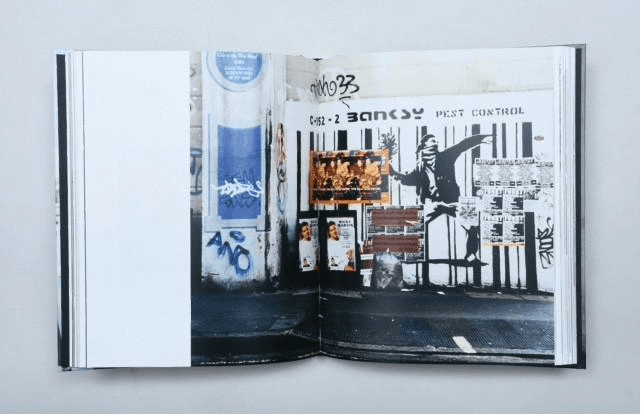
The Pictures on Walls era coincides with much of what Steve documented in his photographs. The same artists, the same shows, the same period.
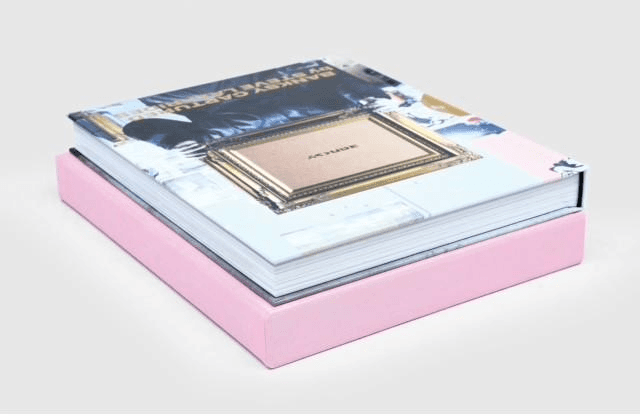
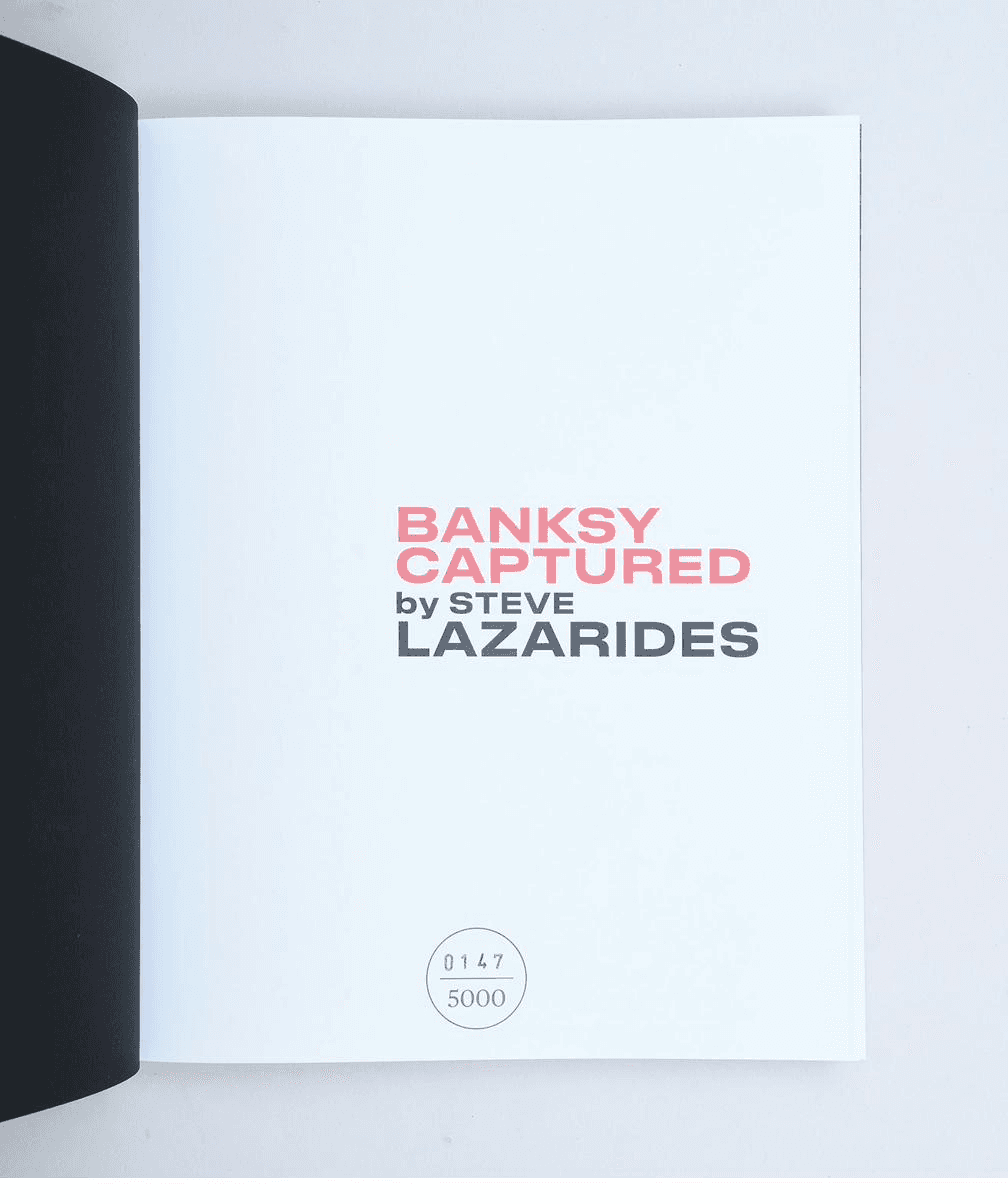
The books aren't about Pictures on Walls specifically. But they come from the same time and the same approach: documenting what happened, then making that documentation available.
Articles
Pictures on Walls and Affordable Art
How Pictures on Walls tried to make street art affordable, and what happened next.
Pictures on Walls was a print house that operated from the early 2000s. The idea was simple: make street art affordable.
How It Started
Steve Lazarides tells the origin story:
"I went to pick Banksy up from Bristol. He diverted me. We went to some print place to pick up some prints. A stack of Rude Copper prints. And I'm like, 'What are you gonna do with them?' He said, 'I'm taking them to the anarchist book fair, and I'm gonna sell 'em for a fiver each.' And I was just like, 'You're an idiot. I'll buy 'em and I'll sell 'em for 20 quid.'"
That conversation led to Pictures on Walls - a collaboration between Steve, Banksy, and Jamie Hewlett (co-creator of Tank Girl and Gorillaz).
The Model
Steve based the approach on American gig posters. Bands like Nirvana and Beastie Boys would commission artists to design tour posters, sold cheaply at venues. Each city got a unique design. Fans could buy affordable art connected to something they cared about.
Pictures on Walls applied this to street art. Commission prints from artists. Keep editions large enough to stay affordable. Sell direct, not through galleries.
The Numbers
Print runs were deliberately large:
500-750 copies per edition
Starting prices around £50
Canvases at £250
By traditional art world standards, these weren't "limited editions." That was the point. The goal was access, not artificial scarcity.
Who Was Involved
Pictures on Walls brought together artists from the international street art scene:
Invader
Faile
Shepard Fairey
KAWS
Jamie Hewlett
Eine
Pure Evil
For many of these artists, Pictures on Walls prints were their first widely available work. The platform gave them income and visibility outside the gallery system.
The Pricing Philosophy
Steve's approach to pricing was straightforward:
"If someone had 500 quid, they've probably got 1,500, so if we did something at 500 quid and it sold out, next time round it would be 1,500."
Prices increased based on demand, not predetermined valuations. There was no gallery telling artists what their work was worth. The market figured it out.
What Happened Next
Success changed the equation. As prices rose, the original mission - affordable art for ordinary people - became harder to maintain.
Early prints that sold for £50 started appearing at auction for thousands. Collectors bought work to flip it. The secondary market developed its own logic.
Steve on this shift: "It's been the thing that's destroying the scene. People are just looking at it as a cash cow. All the artists I ever worked with, none of them went into it for money."
The Legacy
Pictures on Walls demonstrated that artists could build audiences and sell work without gallery representation. It proved there was demand for affordable multiples from contemporary artists.
The model has been widely copied. Artist-direct print sales are now common. The assumption that art requires galleries as intermediaries has weakened.
Whether this achieved the original goal - making art accessible - is debatable. Prices rose. Speculation appeared. The same market dynamics that Pictures on Walls tried to avoid eventually arrived.
Connection to the Books
The Pictures on Walls era coincides with much of what Steve documented in his photographs. The same artists, the same shows, the same period.
The books aren't about Pictures on Walls specifically. But they come from the same time and the same approach: documenting what happened, then making that documentation available.