Articles
Why These Books Exist
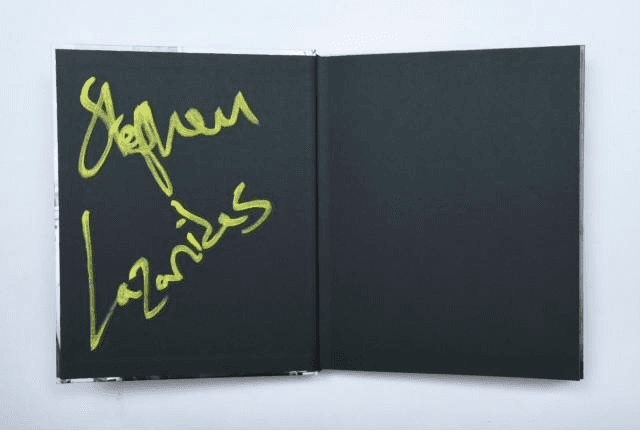
Steve Lazarides on why he published Banksy Captured after years of sitting on the archive.
Steve Lazarides had tens of thousands of photographs in his archive. For years, they sat there. In 2019, he published Volume One. Here's some context on why.
The Archive
Between 1997 and 2008, Steve photographed extensively. Street pieces as they went up. Shows as they were installed. Behind-the-scenes moments. The visual record of eleven years.
Most of these photographs were never published. They existed in an archive, seen by few people.
The Gap
After 2008, Steve moved on. He opened galleries. He worked with other artists. The archive from the earlier period remained, but there was no obvious reason to do anything with it.
Meanwhile, the work from that period became increasingly discussed, analysed, and mythologised - often by people who weren't there.
The Decision
Steve has spoken about his reasons for publishing:
The photographs document something specific. A time and place. A way of working. The early development of what became a global phenomenon.
Without documentation, memory becomes mythology. Stories get embellished. Context gets lost. The photographs provide a factual record - this is what it looked like, this is what happened.
Self-Publishing
Steve published the books himself. No traditional publisher. No gallery partnership. No external editorial control.
This follows the same logic as Pictures on Walls. Direct to audience. No intermediaries. The person who made the work decides how it reaches people.
What They Are
The books are Steve's edit of his own archive. His selection. His sequencing. His perspective on what mattered from that period.
They're not comprehensive catalogues. They're not authorised biographies. They're one photographer's documentation, published by that photographer.
What They're Not
The books don't:
Explain the work
Provide market valuations
Tell the complete story
Claim to be definitive
They show what Steve photographed. The meaning and significance are for viewers to determine.
Why We Sell Them
We sell these books because they're honest documentation of a specific period.
Not because they're rare. Not because they're investments. Not because owning them confers status.
Because they show what happened, photographed by someone who was there.
That's the proposition. If it's not what you're looking for, these aren't the books for you. If it is, they're available.
Articles
Why These Books Exist
Steve Lazarides on why he published Banksy Captured after years of sitting on the archive.
Steve Lazarides had tens of thousands of photographs in his archive. For years, they sat there. In 2019, he published Volume One. Here's some context on why.
The Archive
Between 1997 and 2008, Steve photographed extensively. Street pieces as they went up. Shows as they were installed. Behind-the-scenes moments. The visual record of eleven years.
Most of these photographs were never published. They existed in an archive, seen by few people.
The Gap
After 2008, Steve moved on. He opened galleries. He worked with other artists. The archive from the earlier period remained, but there was no obvious reason to do anything with it.
Meanwhile, the work from that period became increasingly discussed, analysed, and mythologised - often by people who weren't there.
The Decision
Steve has spoken about his reasons for publishing:
The photographs document something specific. A time and place. A way of working. The early development of what became a global phenomenon.
Without documentation, memory becomes mythology. Stories get embellished. Context gets lost. The photographs provide a factual record - this is what it looked like, this is what happened.
Self-Publishing
Steve published the books himself. No traditional publisher. No gallery partnership. No external editorial control.
This follows the same logic as Pictures on Walls. Direct to audience. No intermediaries. The person who made the work decides how it reaches people.
What They Are
The books are Steve's edit of his own archive. His selection. His sequencing. His perspective on what mattered from that period.
They're not comprehensive catalogues. They're not authorised biographies. They're one photographer's documentation, published by that photographer.
What They're Not
The books don't:
Explain the work
Provide market valuations
Tell the complete story
Claim to be definitive
They show what Steve photographed. The meaning and significance are for viewers to determine.
Why We Sell Them
We sell these books because they're honest documentation of a specific period.
Not because they're rare. Not because they're investments. Not because owning them confers status.
Because they show what happened, photographed by someone who was there.
That's the proposition. If it's not what you're looking for, these aren't the books for you. If it is, they're available.